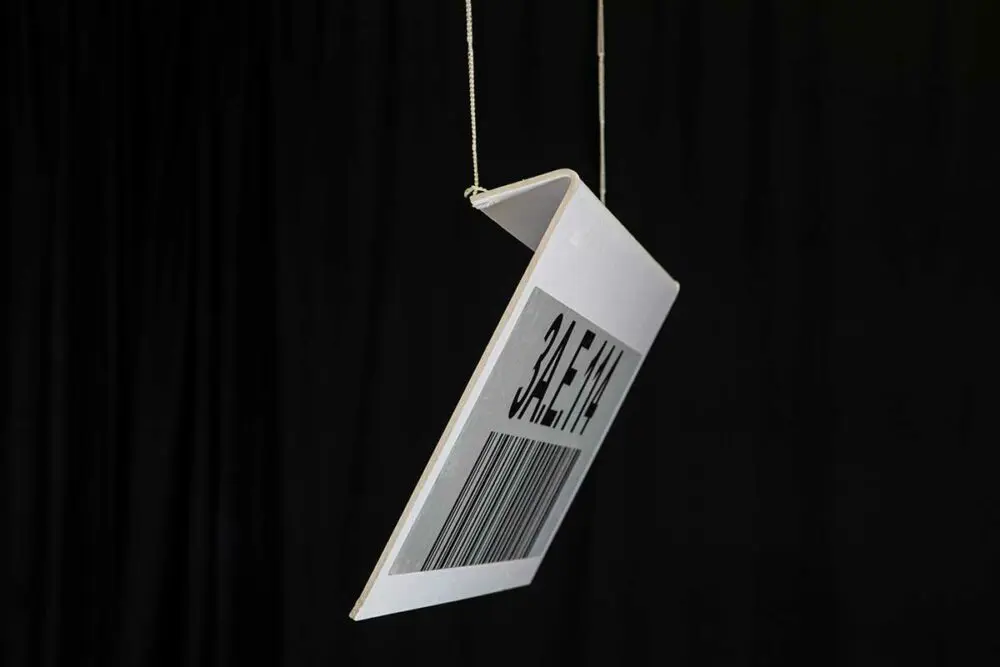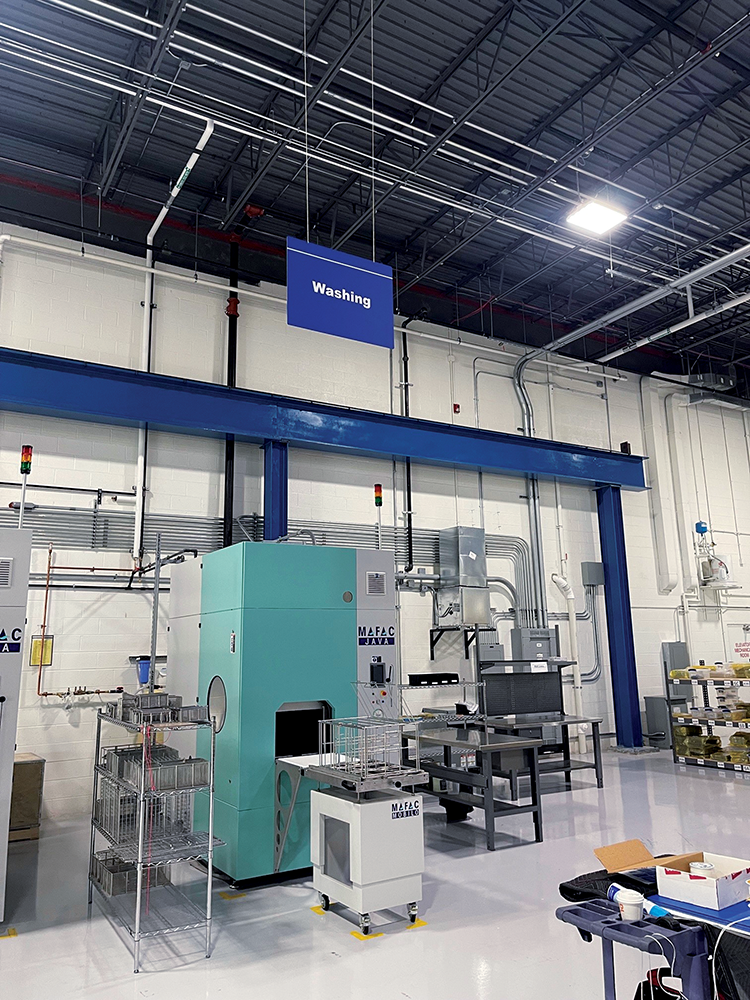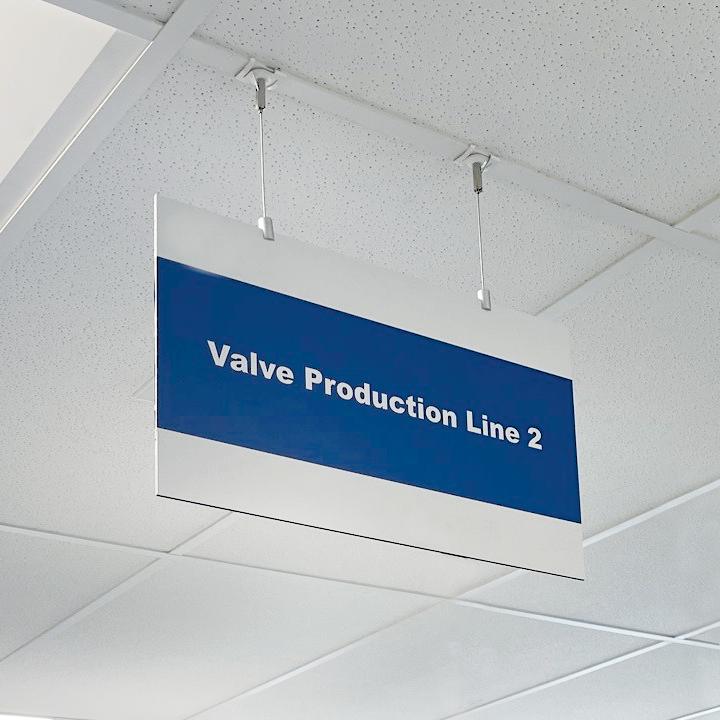
In Lean Six Sigma environments, visual management plays a critical role in supporting safety, workflow efficiency, communication and sustainment. Yet many organizations mistakenly use the terms visual controls and visual displays interchangeably. While both contribute to a visual workplace, they serve very different purposes. Understanding the distinction can help Lean leaders create environments that not only communicate information, but also guide behavior, reinforce standards and drive operational consistency.
Clarifying the Distinction Between Visual Displays and Visual Controls
Visual Displays are designed primarily to inform and often remain passive, requiring interpretation without necessarily driving action.
Visual Controls are intended to influence action and make abnormalities immediately visible. From floor markings and Kanban systems to ceiling signage and production status indicators, effective visual controls reduce uncertainty, support accountability and help sustain Lean improvements over time. Recognizing this difference is often the first step toward building a more disciplined and effective visual workplace.
How Ceiling Signage Functions as a True Visual Control
1. Ceiling Signage Directs Behavior, Not Just Awareness
A visual display informs people. A Visual control influences action and decision-making in real time. Ceiling signage becomes a visual control when it:
- Directs traffic flow
- Defines process pathways
- Identifies work zones
- Signals where materials, tools or people belong
- Reduces hesitation and searching
Ceiling Signage Pro Tip – A hanging aisle marker that simply labels an area is a display. A ceiling signage system that standardizes movement, inventory flow and workstation identification across an entire facility function as a visual control
2. Ceiling Signage Reduces Process Variation
Lean visual controls are designed to create consistency, and ceiling signage supports standard work by:
- Reinforcing standardized routes
- Guiding operators to correct locations
- Creating repeatable navigation patterns
- Supporting consistent material handling behaviors
- Minimizing dependency on tribal knowledge
Ceiling Signage Pro Tip – When employees consistently move, store and retrieve materials the same way every time, ceiling signage is functioning as a process control.
3. Ceiling Signage Enables Abnormalities to Become Visible
One hallmark of a visual control is that abnormalities become obvious. Ceiling signage contributes by making it easier to identify:
- Missing inventory
- Misplaced materials
- Incorrect storage
- Wrong staging areas
- Traffic flow violations
- Out-of-sequence movement
Ceiling Signage Pro Tip – A true visual control makes abnormal conditions immediately obvious.
4. Ceiling Signage Supports Sustainment in 5S
Many visual displays become “wallpaper” over time. True visual controls sustain operational discipline. Ceiling signage helps sustain:
- Set-in-order conditions
- Area ownership
- Visual boundaries
- Location accuracy
- Workflow organization
Ceiling Signage Pro Tip – Ceiling signage reinforces standards continuously, helping sustain Lean conditions long after implementation.
5. Ceiling Signage Creates Immediate Visual Decision-Making
A true visual control should allow someone to make the correct decision quickly without verbal instruction. Effective ceiling signage:
- Eliminates uncertainty
- Speeds orientation
- Improves wayfinding
- Supports faster onboarding
- Reduces interruptions from direction-seeking
Ceiling Signage Pro Tip – Visual displays tell people something. Visual controls help people instantly know what to do, where to go or what is wrong.
Common Ceiling Signage Implementation Mistakes in Lean Manufacturing
1. Poor Placement and Visibility
Ceiling signs are often installed too high, too small, blocked by a variety of different items such as racks, lighting, ductwork, or equipment, making them difficult to read from normal working distances.
Common consequences:
- Increased search time
- Forklift travel inefficiencies
- Operator confusion
- Missed locations and routing errors
2. Lack of Standardization Across the Facility
Many facilities allow departments to create their own signage, colors, terminology, and mounting methods, resulting in inconsistent communication throughout the plant.
Typical issues include:
- Different naming conventions by department
- Inconsistent color coding
- Multiple sign formats and fonts
- Confusing location identifiers
3. Overloading the Ceiling with Too Much Information
Another common mistake is cluttering overhead space with excessive signs, competing messages, outdate identifiers, or overlapping visual systems.
When too many signs compete for attention:
- Critical information becomes harder to find and is often lost in the clutter
- Employees visually tune out signage
- Navigation slows down
- Visual management loses effectiveness
4. Failure to Sustain and Audit the Signage System
Even well-designed ceiling signage systems deteriorate without regular audits and ownership.
Common sustainment failures include:
- Damaged or faded signs
- Incorrect location identifiers
- Signs no longer match floor layouts
- Temporary signage becoming permanent
- Missing signs after layout changes
Best Practices for Implementing Effective Ceiling Signage as a Visual Control
1. Design Ceiling Signage to Drive Action, Not Just Identification
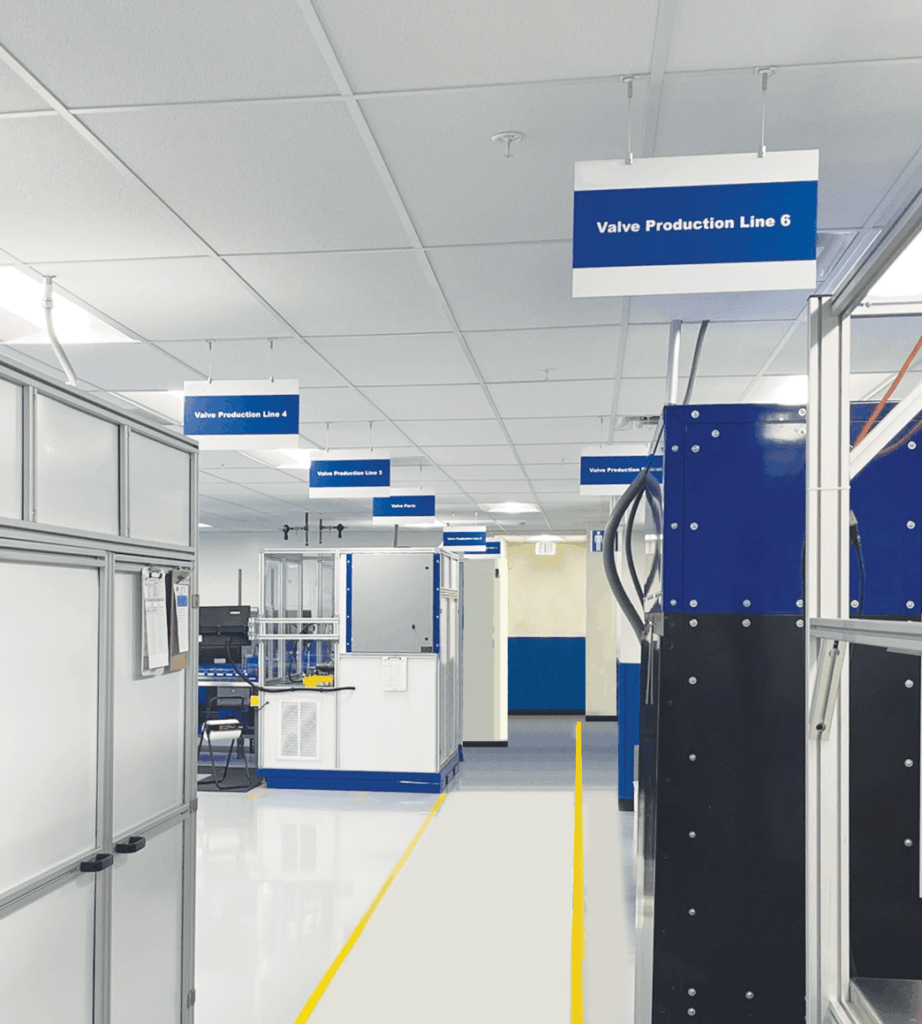
Effective ceiling signage should do more than label an area. It should guide behavior, support workflow decisions, and reduce hesitation within the process.
Best Practices:
- Use ceiling signage to:
- Direct material flow
- Identify staging zones
- Separate inventory status
- Define workflow paths
- Highlight critical process areas
- Ensure all employees can immediately understand what action or direction is required.
2. Position Ceiling Signage for Maximum Visibility and Decision Speed
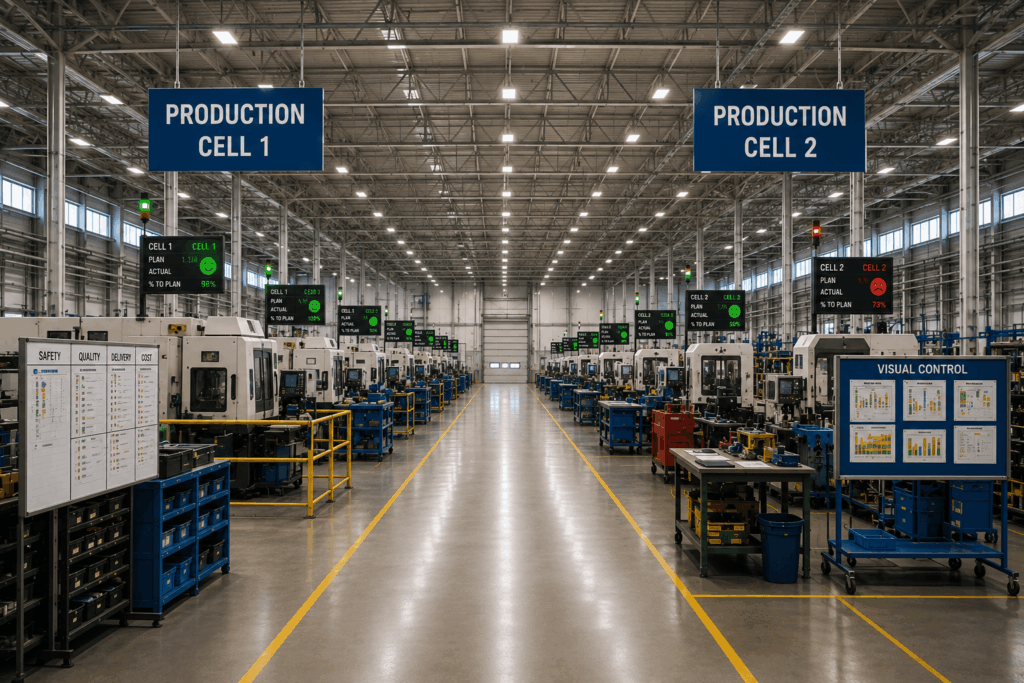
Ceiling signage is most effective when employees can identify locations and process zones from long distances without stopping or searching.
Best Practices:
- Install signs within primary travel paths and natural lines of sight
- Standardize mounting heights throughout the facility
- Ensure signs remain visible above racks, equipment and inventory
- Use large, high-contrast lettering readable from key approach distances
3. Standardize the Entire Ceiling Sign System
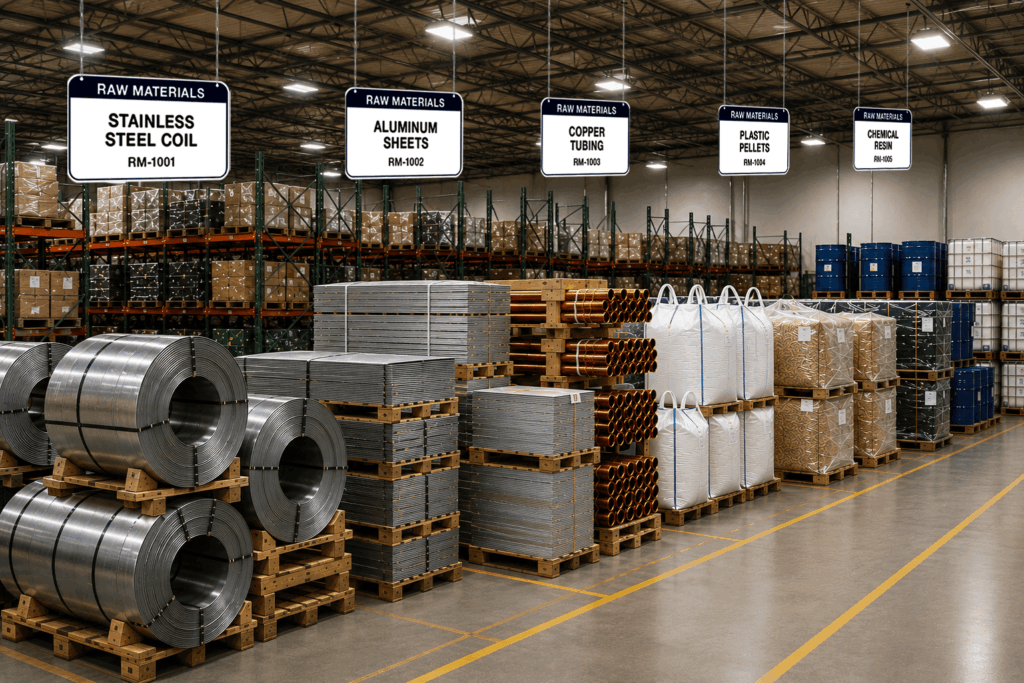
Inconsistent signage weakens workplace organization and creates confusion across departments and shifts.
Best Practices:
- Standardize the following:
- Colors
- Fonts
- Symbols
- Sign Sizes
- Naming conventions
- Directional formats
- Hanging methods
- Hanging hardware
4. Use Ceiling Signage to Expose Abnormal Conditions
The strongest visual controls make problems visible immediately.
Best Practices:
- Use ceiling signage to clearly define:
- FIFO lanes
- Overflow zones
- Quarantine areas
- Kanban replenishment point
- Shipping and receiving boundaries
- Empty vs occupied locations
- When properly implemented, ceiling signage instantly recognizes:
- Material in the wrong location
- Inventory overflow
- Workflow disruptions
- Unauthorized storage
- Process deviations
5. Sustain Ceiling Signage Through Regular Audits and Updates
Even will-designed ceiling signage loses effectiveness if it becomes outdate, damaged, inconsistent, or ignored.
Best Practices:
- Include ceiling signage in:
- 5S Audits
- Visual workplace inspections
- Gemba walks
- Layered process audits
- Continuous improvement reviews
- Audit for:
- Visibility
- Accuracy
- Consistency
- Damage
- Obstructions
Quantified Examples: Visual Controls vs Visual Displays
PRODUCTION STATUS BOARD: A production dashboard showing targets and actual output is a visual display because it communicates information but does not drive action. A visual display becomes a visual control when it automatically signals performance gaps, and triggers a response, reducing downtime by 32% and improving OEE from 71% to 79%.
INVENTORY MANAGEMENT: Labels showing part numbers and inventory levels function as visual displays that help employees locate materials. A Kanban replenishment system acts as a visual control by signaling shortages immediately, reducing stockouts by 85% and cutting material search time from 12 minutes to 2 minutes.
SAFETY SIGNAGE: Warning signs about forklift traffic are visual displays that rely on workers noticing and interpreting the message. Physical controls such as designated lanes, barriers, and warning lights directly influence behavior, reducing near-miss incidents by 50%
TOOL ORGANIZATION: Tool labels and storage maps are visual displays that provide organizational information. Shadow boards become visual controls by making missing tools immediately obvious, reducing search time by 75% and decreasing lost tools by 80%.
QUALITY INSPECTION: Defect charts and quality reports are visual displays that help understand performance trends. Go no-go gauges serve as visual controls by preventing defects from moving downstream, improving first-pass yield by 15%.
CEILING SIGNAGE: Overhead department and locations signs are visual displays that improve navigation and workplace awareness. When ceiling signage is used to identify flow paths, FIFO lanes, and staging limits, it becomes a visual control that can reduce travel distances by 20% and picking errors by 35%.
The Importance of Visual Control vs Visual Display Audit Checklist for Ceiling Signage
A visual control vs visual display audit checklist helps ensure ceiling signage drives action rather than simply share information. Regular audits verify that signs remain accurate, visible, standardized, and positioned to support quick decision-making and immediate recognition of abnormalities.
Audit checklists also help sustain lean improvements over time. By routinely reviewing sign conditions, placement and effectiveness, organizations can identify gaps early and ensure ceiling signage continues to support safety, workflow, productivity, and adherence to standards.
The Ceiling Outfitters Audit Checklist for Ceiling Signage helps teams distinguish between passive visual displays and true visual controls that drive action, accountability and sustainment.
Think Lean! Think Visual! Think of Ceiling Outfitters!
In a Lean environment, every visual element should serve a purpose. Well-designed ceiling signage does more than share information─it creates, supports standard work, and helps employees make the right decisions at the right time. By turning overhead space into a visual control, organizations can improve flow, reduce waste, and strengthen workplace safety.
When implemented effectively, ceiling signage becomes an integral part of the visual workplace. It helps teams stay aligned, minimizes unnecessary motion and searching, and creates a more organized operation. Small improvements in visibility can lead to significant gains in performance, consistency, and employee confidence
About Ceiling Outfitters
Since 2007, Ceiling Outfitters has supported more than 2,000 organizations across 22,00 locations in industries ranging from manufacturing and retail to education, electrical, and construction. Our focus is simple: help you turn underutilized ceiling space into a powerful visual communication tool safely, easily and cost-effectively.