In manufacturing, consistency is essential to creating a safe, efficient, and productive operation. That is where Standard Work comes in; the agreed-upon way tasks should be performed to help reduce variation, improve quality, and keep processes running smoothly.
But even the best-defined operational procedures are effective only when employees can easily see, understand and follow them. By making Standard Work visible through clear ceiling signage and visual controls, manufacturers can help employees find information faster, follow established processes and maintain a more organized, efficient workplace.
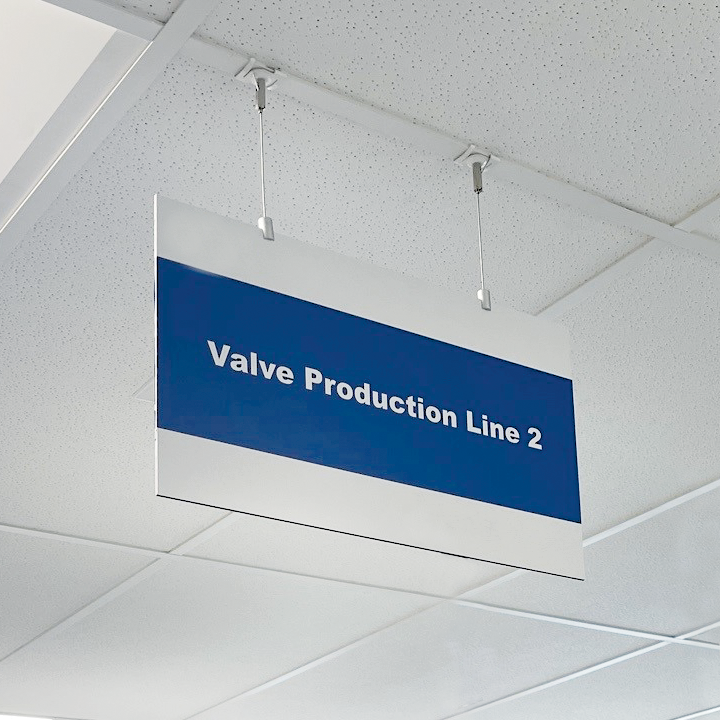
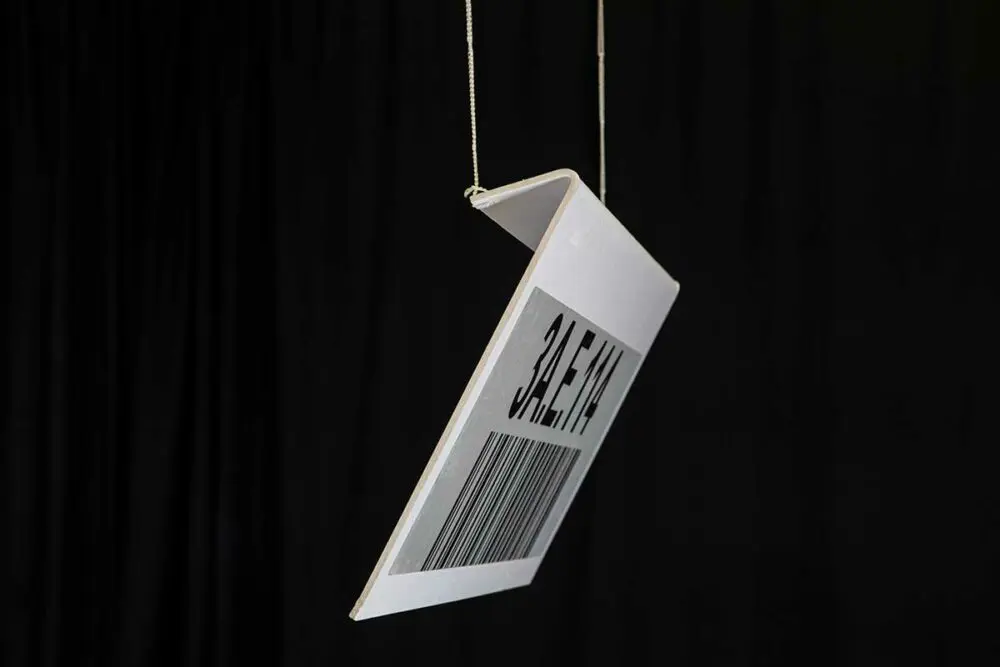
Ceiling signage plays a significant role in that strategy. Positioned above aisles, work areas, departments and production zones, overhead signs provide clear visual cues without taking up valuable floor or wall space. When thoughtfully integrated into a visual management system, ceiling signage can support wayfinding, reinforce Standard Work, identify locations, and help employees quickly understand how a facility is organized.
Why Ceiling Signage is Important
Make Daily Operating Practices Visible from Anywhere – Ceiling signs keep critical instructions, process information, department names and work-area identification visible above equipment, inventory, and production activity.
Turn Wayfinding into a Visual Control – Strategically placed overhead signage helps employees quickly identify where they are, where they need to go and which process or work area they should be in──reducing unnecessary walking and searching.
Support 5S and Workplace Organization – Consistent ceiling signage reinforces designated locations for materials, equipment, and work areas, making differences easier to spot and established procedures easier to maintain.
Create Consistent Visual Standards – A standardized ceiling sign system gives every department a common visual language, helping employees recognize work zones, processes, safety information, and key destinations immediately.
Keep Visual Controls Visible as the Facility Changes – Ceiling-mounted signs can provide a flexible way to update or relocate visual information as production layouts, processes, and work areas change──helping daily operating practices visible over time.
Line-of-Sight Planning
Ceiling signage can play a critical role in turning consistent work methods from something employees are expected to remember into something they can see and use. By planning signs around employee line of sight, manufacturers can make processes, locations, and expectations easier to identify.
Put Critical Information Where People Naturally Look – Position ceiling signs within the employee’s normal line of sight so directions, work areas, safety information, and process cues can be seen without stopping or searching.
Design for Visibility Across the Entire Facility – Use overhead signage to maintain clear sightlines in large, busy environments where equipment, inventory, racks, and partitions can block wall-mounted signs.
Connect Visual Information to the Point of Action – Place signs where employees need information at intersections, work zones, storage areas, production lines, and transition points──so Standard Work is reinforced exactly where it happens.
Reduce Searching, Walking and Unnecessary Motion – Well-planned overhead wayfinding helps employees quickly identify where they are, where they need to go and what they need to do next.
Think Beyond Individual Signs──Plan the Visual System – Establish consistent sign locations, heights, messaging, and sightlines throughout the facility so employees can recognize and interpret visual information quickly and consistently
Placement Standards
Placement standards turn visual management from a collection of signs into a consistent system that actively supports Standard Work. A well-designed visual factory makes defined processes visible, accessible, and consistent──so the workplace itself helps guide the work.
Put Information Where the Work Happens – Position signs, instructions, and visual cues at the point of use so employees can see the right information without stopping, searching, or walking to another area.
Standardize Sign Height and Placement – Establish consistent mounting heights, locations, and orientations to flow of traffic so employees know where to look for information throughout the facility.
Design for Line-of-Sight Visibility – Place ceiling signs and other visual controls where they can be seen from normal work positions, aisles, and key decision points──not simply where installation is easiest.
Use Consistent Locations for Consistent Information – When similar information is always displayed in the same relative location, employees can recognize and interpret it faster, reducing confusion and variation.
Keep Visuals Standards Aligned with Process Changes – Placement standards should be reviewed whenever workstations, equipment, production flows, or layouts change so visual management continues to support the current Standard Work.
Governance and Sustainment
Effective ceiling signage is not a “set it and forget it” improvement. Governance and sustainment ensure that the visual factory continues to reflect current processes, reinforce Standard Work, and provide reliable visual guidance every day.
Assign Ownership for Visual Standards – Establish clear responsibility for creating, approving, maintaining, and updating ceiling signage so visual standards do not become outdated or inconsistent.
Standardize Placement and Appearance – Define rules for sign location, height, orientation, terminology, colors, and identification so employees see the same visual language throughout the facility.
Build Signage into Routine Audits – Include ceiling signage and other visual controls in 5S, safety, and Standard Work audits to identify missing, damaged, inaccurate, or poorly maintained and positioned signs.
Create a Change Management Process – When processes, equipment, departments, or workflows change, make updating visual standards part of the change process rather than an afterthought.
Measure and Sustain Effectiveness – On a regular basis evaluate whether signage is helping employees find locations, follow Standard Work, reduce searching, and motion, and maintain consistent workflows.
Visual Factory Self-Audit: Is Your Visual System Working?
| Category | Audit Question | Pass / Needs Attention |
|---|---|---|
| Line of Sight | Can employees see important signs and instructions from the areas where decisions are made? | |
| Are signs visible from normal walking and working positions? | ||
| Are signs blocked by equipment, racks, inventory, ductwork or other obstructions? | ||
| Placement Standards | Are signs consistently positioned throughout the facility? | |
| Are signs mounted at a consistent height, orientation and location? | ||
| Does every sign have a clear purpose and defined location? | ||
| Standard Work | Do visual signs reinforce current standard work, processes or work areas? | |
| Accuracy | Is the information on every sign current, accurate and easy to understand? | |
| Condition | Are signs clean, legible and in good condition? | |
| Governance | Is someone responsible for maintaining the facility’s visual standards? | |
| Is there a defined purpose for adding, changing or removing signs? | ||
| Sustainment | Are visual standards included in 5S or facility audits? | |
| Are outdated, damaged or unnecessary signs removed promptly? | ||
| Continuous Improvement | Are employees encouraged to identify problems with visibility, placement, or signage? |
The Ultimate Test
Can an employee quickly understand where they are, where they need to go, and what they need to do───without having to stop and search for information?
If the answer is NO, the visual factory has an opportunity for improvement.
- Design it – Can people see what they need to see?
- Standardize it – Is visual information positioned consistently?
- Sustain it – Will the system stay effective over time?
Blog Conclusion
A well-designed visual factory starts with making Standard Work visible──and ceiling signage can play a critical role in making that happen. When signs are strategically positioned based on line of sight, employee movement and consistent placement standards, valuable information is visible from the floor and easier to find when needed. Rather than simply adding more signs to a facility, the goal is to create a deliberate visual system that helps employees quickly identify work areas, locations, processed and expectations while reducing confusion and unnecessary searching.
The effectiveness of ceiling signage, however, depends on more than the initial installation. Governance and sustainment keep the visual system accurate, consistent, and useful as the facility changes. A regular visual factory self-audit can help identify signs that are missing, outdated, damaged, inconsistent, or no longer positioned effectively. By establishing clear standards for placement, ownership and ongoing review, manufacturers can ensure ceiling signage continues to support Standard Work──not just today, but as processes, layouts and operations evolve. The result is a visual factory where critical information is visible, standards are reinforced and continuous improvement is supported from the floor to the ceiling.
About Ceiling Outfitters®
Since 2007, Ceiling Outfitters® has transformed underutilized ceiling space into a powerful opportunity for visual communication. Trusted by more than 2,000 organizations across 22,000 locations, our innovative hanging systems help customers in manufacturing, retail, education, electrical, and construction maximize visibility while reducing the time, effort, and cost of installation.